
Neuromuscular Therapy
What is it?
Neuromuscular Therapy (NMT) is a type of soft tissue therapy which employs static pressure on specific points to: relieve pain, interrupt a self-perpetuating pain cycle.
It is a diagnostic tool as well as a treatment method for normalizing dysfunctional tissue by isolating and identifying the imbalance and restoring normal function and resilience to the damaged tissues. These areas of dysfunctional tissue - known as trigger points - are characterized by local tenderness and referred sensations.
When can it be helpful?
Stress is a Leading Cause of Chronic Pain
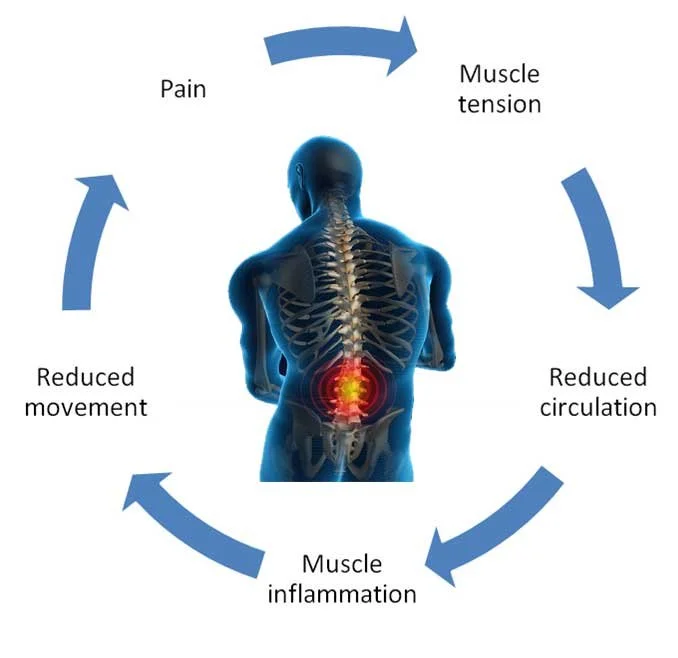
Stress can come in many different forms but always elicits the same response from the body - muscle tension
When muscles tighten, vessels constrict. Circulation diminishes reducing the available oxygen supply and increasing toxic waste accumulation.
Lack of oxygen, also called ischemia, and waste accumulation both add to the hypersensitivity of nerve receptors. We interpret these incoming signals as pain.
When we feel pain, we automatically tense up. Pain signals also alert the brain that an injury has occurred (even if it hasn’t) and the surrounding tissues harden to “splint” the injury
The increase in muscle tension further reduces circulation
The result is more pain
An increase in the level of pain raises anxiety levels as well as increasing muscle tension even more.
Lots of Neuromuscular Therapists will have charts in their rooms to assist them in finding common trigger points in the body and will use them to see if they could be what is causing your familiar pain.
Unfortunately pain isn’t always straight forward. (Insert piece about how the nervous system perceives pain afferently and efferently)
What type of familiar pain?
The familiar pain that you have could vary. It could be a tingling, painful, itchy, dull ache, sharp pain, numb or any combination of these sensations.
What happens is your therapist will release the tension in the muscle tissue and if that muscle is the cause of your familiar pain then the pain could go away after it is treated.
Sometimes the pain goes away quickly and stays gone. Other times, it leaves for a short time period and then the pain comes back. It could be that the muscle wasn’t able to fully relax immediately and so more sessions are required. Or, it could be caused by receptive stress or a pattern from daily life that causes the muscle to tense up. A good massage therapist will work with you and see if there are habits which could be contributing to the common or chronic pain.
Neuromuscular therapy often goes well with other modalities of massage. So, you may find it combined with a deep tissue or Swedish massage. Or you may find strokes of other massages integrated into a NMT session.
FAQs
-
A normal session is 50 Minutes of hands on massage.
-
Pre-Op
• 3-5 Visits excluding day prior and day of surgery
Post-Op
• 3-5 Visits (after 48-72 Hours post op after physician’s follow-up)
MLD Maintenance
• 1 tx. Every 3-4 Months
-
• Drink Water
• Eat Healthy
• Exercise
• Wear Physician Ordered Compression
MLD Maintenance
• 1 tx. Every 3-4 Months
Getting Started
-
Aland, J. (2 C.E.). Deep Tissue and Neuromuscular Therapy: Theory, techniques and applications.
-
-
Further Reading: